
Stun devices offer a safer alternative to traditional force, but their effectiveness depends on battery life (200-500 discharges per charge). Battery lifespan is influenced by quality, capacity, charging habits, and temperature. Regular cleaning, suitable storage, and understanding battery longevity are crucial to ensure operational readiness during emergencies. Lithium-ion batteries offer best performance but pose seizure risks if damaged; proper maintenance and disposal mitigate these risks. Regular battery checks and replacements are essential for optimal device performance and user safety, especially concerning seizure risks from electrical weapons.
“Uncover the secrets behind stun device battery life expectancy, a critical aspect often overlooked in personal safety gear. This comprehensive guide explores the factors influencing battery lifespan, offering insights into what to expect from your stun gun’s power source. From continuous use to maintenance tips, we delve into ensuring optimal performance.
Additionally, we compare various battery types and shed light on potential seizure risks associated with declining battery life in electrical weapons, emphasizing the importance of staying informed for user safety.”
- Understanding Stun Device Battery Life: What to Expect
- Factors Affecting Battery Lifespan in Electrical Weapons
- The Impact of Continuous Use on Battery Performance
- Maintaining and Extending Your Stun Device's Battery Life
- Comparing Different Battery Types for Stun Devices
- Seizure Risks: When Battery Life Becomes a Concern
Understanding Stun Device Battery Life: What to Expect

Stun devices, also known as electric weapons, are designed to incapacitate an opponent temporarily through electrical impulses, significantly reducing seizure risks compared to traditional force. However, their effectiveness is closely tied to battery life expectancy. Typically, a stun device’s battery can last anywhere from 200 to 500 discharges, depending on the model and manufacturer. Each discharge delivers a powerful jolt, so it’s crucial to understand your device’s battery life to ensure you’re prepared in emergency situations.
The average stun device battery might last for several years with regular use, but frequent deployment or exposure to extreme temperatures can significantly reduce this lifespan. Regular maintenance, including keeping the device clean and storing it properly, can help extend battery life. Knowing when to replace your stun device’s batteries is essential; a dead battery could leave you vulnerable during a critical moment.
Factors Affecting Battery Lifespan in Electrical Weapons

Battery lifespan in stun devices, like any electrical weapon, is influenced by several factors. One key consideration is the quality and capacity of the battery itself. High-quality batteries with greater ampere-hour (Ah) ratings will generally offer longer durations between charges. However, frequent use can significantly drain the battery, reducing its overall lifespan. Stun devices used in active self-defense scenarios or for extended periods may experience faster battery degradation compared to those used sparingly for demonstration or training purposes.
Another critical factor is the charging pattern. Constantly keeping the device fully charged without allowing it to discharge naturally can contribute to long-term damage, leading to a shorter battery life. Allowing the battery to deplete fully before recharging, while not ideal for immediate readiness, can prolong its overall health. Additionally, environmental conditions such as extreme temperatures (both hot and cold) can impact performance, causing batteries to drain faster or lose capacity over time. Thus, proper care, including reasonable charging habits and storage in suitable conditions, is essential to mitigate seizure risks from electrical weapons associated with depleted or malfunctioning batteries.
The Impact of Continuous Use on Battery Performance

Continuous use of stun devices can significantly impact battery performance, leading to a decrease in overall lifespan. These powerful tools, designed to deter and incapacitate individuals during emergency situations or personal defense, rely on robust batteries that can withstand intense, prolonged usage. However, frequent or continuous activation can drain the battery faster than normal operation.
The seizure risks from electrical weapons, including stun devices, further exacerbate battery degradation. Each deployment of the device places additional strain on the battery, and when used repeatedly in quick succession, it can lead to premature failure. This is particularly concerning for individuals who may need their stun guns or tasers during high-stress situations, where immediate and repeated use could deplete the battery before completing the necessary tasks.
Maintaining and Extending Your Stun Device's Battery Life

Maintaining and Extending Your Stun Device’s Battery Life is crucial, especially considering the potential seizure risks from electrical weapons. Regular cleaning and inspection are key; remove any dust or debris that could interfere with battery connections. Ensure all components are tightly secured to optimize power transfer.
To further extend battery life, consider using a dedicated charger designed for your stun device model. Avoid overcharging by following manufacturer guidelines; consistently discharging the battery below 20% can significantly prolong its lifespan. Remember, proper care and maintenance not only enhance battery longevity but also ensure your stun device remains reliable in critical situations.
Comparing Different Battery Types for Stun Devices

When considering battery life expectancy for stun devices, it’s crucial to understand that different battery types offer varying performance and longevity. Common options include lithium-ion (Li-ion), nickel-metal hydride (NiMH), and alkaline batteries. Li-ion batteries are known for their high energy density, compact size, and ability to withstand hundreds of charge cycles, making them a popular choice for stun devices designed for long-term use. NiMH batteries, while less expensive, have lower energy density and shorter lifespans compared to Li-ion. Alkaline batteries are the most affordable but also the least durable, suitable for temporary or backup usage.
In light of seizure risks associated with electrical weapons, choosing a reliable battery type is paramount. Lithium-ion batteries, despite their advantages, have been linked to potential fire and explosion hazards if damaged or misused. Therefore, it’s essential to opt for high-quality batteries from reputable manufacturers and follow safety guidelines when using stun devices. Regular maintenance and proper disposal methods can help mitigate these risks, ensuring the device remains effective and safe over its lifespan.
Seizure Risks: When Battery Life Becomes a Concern
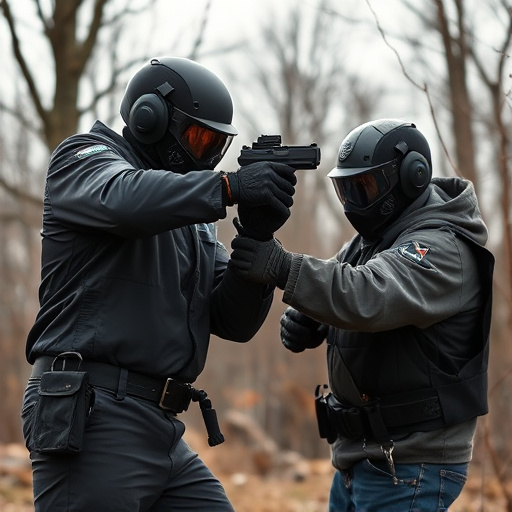
When considering the stun device battery life expectancy, it’s crucial to understand the potential implications for user safety, particularly regarding seizure risks from electrical weapons. As battery power wanes, the effectiveness of a stun gun or taser may diminish, leading to situations where the device fails to deliver the intended shock. This can be concerning, especially in emergency scenarios or for individuals relying on these devices for personal protection.
The risk of seizures associated with electrical weapons is not insignificant. Studies have shown that improperly maintained or batteries that are near exhaustion can result in reduced current output, potentially delivering a weaker shock. In extreme cases, this may fail to cause the muscle contractions necessary to incapacitate a target, increasing the likelihood of physical altercations escalating. Therefore, regular battery checks and timely replacements are essential not just for optimal performance but also for mitigating seizure risks from electrical weapons.
Stun device battery life is a critical factor to consider, especially as continuous use and proper maintenance are key to ensuring their effectiveness. Understanding the factors that impact battery lifespan allows users to make informed choices and manage expectations. By comparing different battery types and implementing maintenance strategies, individuals can extend the service life of their stun devices, ensuring they remain reliable when needed most. Moreover, being aware of potential seizure risks associated with electrical weapons underscores the importance of responsible battery management, ultimately enhancing safety and peace of mind.