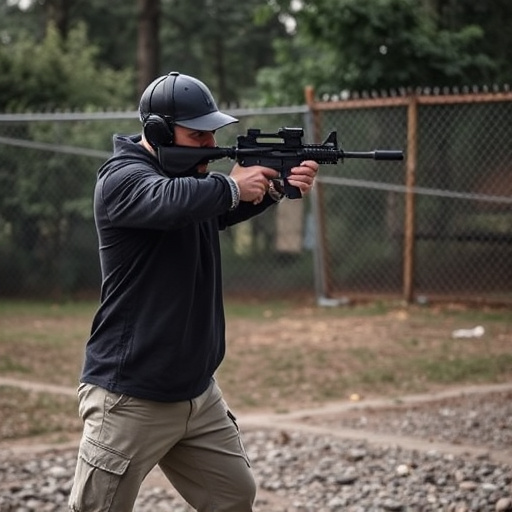
The growing popularity of stun guns raises significant concerns about seizure risks, especially for individuals with epilepsy. Current detection methods like metal detectors and pat-downs are ineffective or invasive. Advanced technologies offer alternatives but are not universally accessible. The legal framework around concealed stun gun detection is complex and evolving, with regions implementing strict regulations or more lenient approaches. Future safety enhancements focus on advanced metal detectors and wearable technology leveraging AI algorithms to detect and mitigate seizure risks from electrical weapons, balancing public safety with individual freedoms.
In an era where personal safety is paramount, the hidden prevalence of concealed stun guns raises significant concerns. This article delves into the growing need for effective detection methods, particularly focusing on seizure risks from electrical weapons. We explore the impact of these devices on individuals with seizure disorders and examine current detection techniques, highlighting their limitations. Additionally, we analyze legal implications, propose policy changes, and discuss future technologies aimed at enhancing safety in the face of this modern challenge.
- Understanding Concealed Stun Gun Detection: A Growing Concern
- The Impact of Electrical Weapons on Seizure Disorders
- Current Detection Methods and Their Limitations
- Legal Implications and Policy Changes
- Enhancing Safety: Future Technologies and Strategies
Understanding Concealed Stun Gun Detection: A Growing Concern

In today’s world, with an increasing prevalence of concealed weapons, the detection of stun guns has become a significant concern for law enforcement and security personnel. Stun guns, also known as electronic control devices (ECDs), use electrical current to incapacitate individuals, posing unique challenges in terms of seizure risks from electrical weapons. As these devices become more accessible and diverse in design, identifying them during routine checks or in high-stress situations has become a pressing issue.
The growing use of stun guns raises questions about the potential health implications for both users and bystanders. Seizure risks from electrical weapons can vary based on factors such as the device’s voltage, duration of discharge, and proximity to sensitive areas. Understanding these variables is crucial in developing effective detection methods, ensuring public safety, and mitigating the risks associated with stun guns in various settings.
The Impact of Electrical Weapons on Seizure Disorders

Electrical weapons, including stun guns, have gained popularity for self-defense purposes due to their non-lethal nature. However, concerns have arisen regarding the potential impact on individuals with seizure disorders. Studies indicate that electrical currents can trigger seizures in susceptible individuals, posing significant risks for those living with epilepsy or related conditions. The intense jolts of electricity from stun guns can lead to unpredictable outcomes, especially when used near the head or neck areas.
In terms of seizure risks from electrical weapons, research highlights the importance of understanding individual sensitivities. Not all people will experience seizures upon exposure, but for those with a history of epilepsy, even brief stimulation can be dangerous. This raises concerns about the potential misuse of stun guns in situations where individuals with seizure disorders might be at risk, such as during law enforcement encounters or personal attacks.
Current Detection Methods and Their Limitations
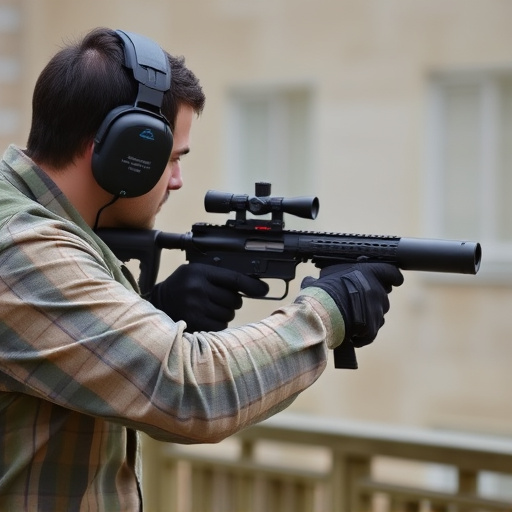
Current detection methods for concealed stun gun possession often rely on metal detectors and pat-downs, but they have significant limitations. Metal detectors are effective against traditional firearms but struggle to identify non-metallic or low-metal content stun guns. Stun guns also don’t always trigger alarms due to their lower magnetic fields compared to heavier metal objects. Moreover, manual searches can be invasive and may miss hidden devices, especially in crowded areas or during high-stress situations. This is particularly concerning considering the seizure risks from electrical weapons, which can cause severe physical harm if used improperly or against vulnerable individuals.
While advanced technologies like thermal imaging and X-ray scanners offer potential solutions, they are not universally accessible or cost-effective for law enforcement at every level. Furthermore, these tools raise privacy concerns and may infringe on civil liberties. Effectively addressing the challenge of concealed stun gun detection requires a balanced approach that considers both public safety and individual rights, pushing for continuous innovation in non-intrusive and precise detection methods.
Legal Implications and Policy Changes
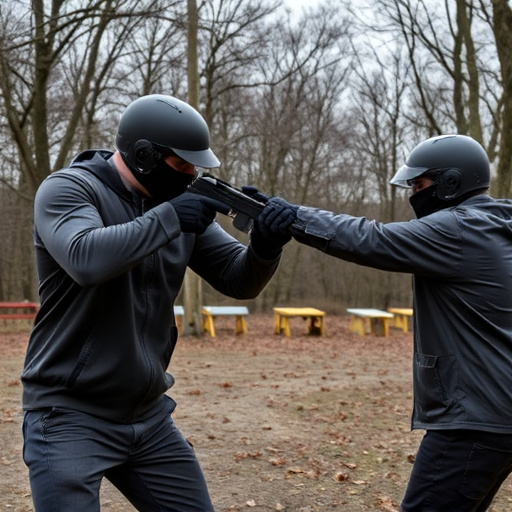
The legal implications surrounding concealed stun gun detection are complex and evolving, reflecting society’s ongoing struggle to balance public safety with individual liberties. As awareness of seizure risks from electrical weapons grows, policies are being reevaluated globally. Some jurisdictions have implemented stringent regulations requiring clear identification or specialized training for stun gun carriers, while others remain more relaxed. This disparity highlights the need for standardized, evidence-based guidelines that consider both personal security and the potential consequences of misuse.
Policy changes aimed at addressing these concerns often involve enhanced background checks, mandatory safety courses, and even restrictions on the type and power output of stun devices allowed for civilian use. These measures seek to mitigate seizure risks while ensuring responsible ownership. However, critics argue that overly restrictive policies might disproportionately affect individuals with legitimate self-defense needs, underscoring the delicate nature of crafting effective legislation around concealed stun gun detection.
Enhancing Safety: Future Technologies and Strategies

The future of enhancing safety in response to concealed stun gun detection concerns lies in technological advancements that can detect and mitigate potential risks associated with electrical weapons, such as seizures. Researchers are exploring innovative strategies, including advanced metal detectors capable of identifying unusual current signatures emitted by hidden stun guns. These devices could be integrated into routine security checks at public spaces, transportation hubs, and government facilities, ensuring a proactive approach to safety.
Additionally, the development of wearable technology that can alert users and authorities about potential stun gun presence is another promising avenue. Such technology could leverage biometric sensors and AI algorithms to detect unusual physiological changes caused by stun gun activation, providing an early warning system for both individuals at risk and law enforcement officers. This not only enhances physical safety but also aids in preventing unforeseen seizure risks from electrical weapons.
As we’ve explored, the concealed detection of stun guns presents a complex challenge. While current methods have limitations, advancements in technology offer promising solutions. Addressing seizure risks from electrical weapons is paramount, especially with evolving legislation. By investing in innovative techniques and fostering open dialogue, we can enhance safety for all, ensuring that technologies like stun guns are used responsibly and predictably detected.